شبکه های جهانی کوچک
شبکه های جهانی کوچک
ترجمه: ابوالفضل گروئی
منبع: سایت «www.dsto.defence.gov.au»
شبکه های جهان کوچک که توسط دونکان واتس و استون اشتروگاتز توسعه یافت، با در نظر گرفتن یک شبکه حلقه مانند (ring-like network) منظم و با جایگزین کردن تعداد کمی از اتصالهای اولیه با اتصالهای تصادفی در میان شبکه ساخته میشوند.
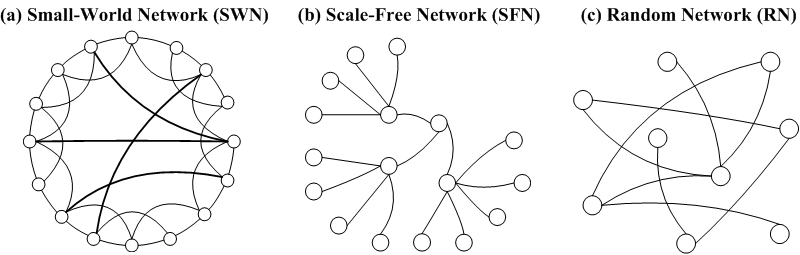
شبکه های پیچیده:(a)جهانی کوچک(b)،(SWN)بیمقیاس(SFN)و شبکه تصادفی(RN).
از سایت jasss.soc.surrey.ac.uk
این مطلب، بیانگر اهمیت عدد «جهش» متوسط برای رفتن از یک گره در شبکه به گره دیگر است که با زمان سپری شده برای ارسال یک پیام از میان شبکه در ارتباط است. حتی یک عدد «اتصال عرضی» (cross-link) کوچک میتواند به طور قابل توجه عدد میانگین «جهش» را کاهش دهد و شبکه ای که به طور کاملا تصادفی متصل شده است، نمیتواند آنرا بیشتر بهبود دهد.

شبکه تصادفی شبکه جهانی کوچک شبکه حلقوی منظم
میانگین جهش ۵/۲ میانگین جهش ۱/۳ میانگین جهش ۱/۴
جهت افزایش بی نظمی از چپ به راست
اگرچه کاهش دادن عدد میانگین «جهش» اصل مهمی است اما معنای آن این نیست که شبکه های جهانی کوچک یک طراحی کارآمد برای شبکه های مخابراتی ADF باشند (توپولوژی را ببینید).
شبکه های جهانی کوچک نیز به عنوان تصویری از مخابرات انسانی (با اتصالهای منظم متناظر با تماسهای کاری عادی و اتصالات عرضی متناظر با اتصالات فرعی بسیار مهم) به کار رفته اند. به هرحال، شبکه های بدون مقیاس هم اکنون به عنوان واقع بینانه ترین نمایش شبکه های مخابرات انسانی در نظر گرفته میشوند.
Small World Networks
Developed by Duncan Watts and Steven Strogatz, Small-World networks are produced by taking a regular ring-like network, and replacing a small number of the original links by random links across the network
This highlights the importance of the average number of “hops” to get from one node in the network to another, which in turn relates to the time taken to send a message across the network. Even a small number of “cross-links” can significantly reduce the average number of “hops,” and a fully randomly-connected network does not improve this much further:
Although reducing the average number of “hops” is an important principle, this does not mean that Small-World networks are an effective design for ADF communication networks (see Topology).
Small-World networks have also been used as a picture of human communication (with the regular links corresponding to normal work contacts, and the “cross-links” corresponding to the highly important “sideways” connections. However, Scale-Free networks are now viewed as a more realistic depiction of human communication networks
References
Duncan Watts (2003), Six Degrees: The Science of a Connected Age, William Heinemann-
Anthony Dekker (2005), Network Topology and Military Performance (draft paper-
Related Topics
Scale-Free Networks
Topology
 ریاضی به عنوان یکی از مهمترین و تاثیرگذارترین علوم بشری جایگاهی بس سترگ در میان علوم پیشرفته امروزی دارد. فناوریهای بشری یا با کمک دانش ریاضی ایجاد و کاربردی میشوند یا در خدمت پیشبرد این علم هستند. با این وجود، دیدگاه بیشتر افراد به ریاضی دیدگاهی خشک و انتزاعی است؛ حال آنکه مباحثی در آن وجود دارد که بسیار جذاب هستند.